
Located Inside LensCrafters ©

What Eye Diseases Can a Retinal Exam Show?
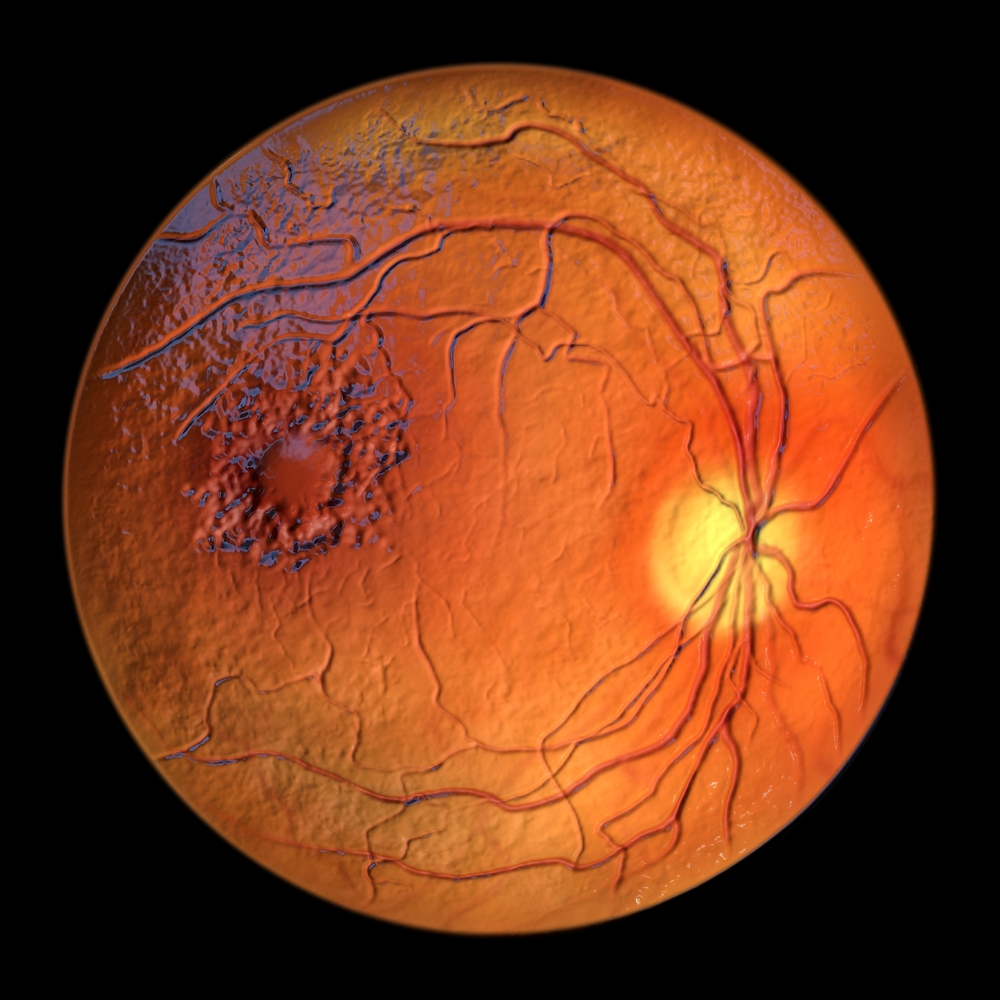
A retinal exam is one of the most important parts of protecting your long-term eye health. The retina is the light-sensitive tissue at the back of the eye, and changes in this area can reveal early signs of eye disease before noticeable vision problems begin. At Atlanta Eye Group, retinal exams help our doctors evaluate the inside of the eye and look for conditions that may affect your sight over time.
Why Retinal Health Is Important
Your retina plays a key role in how you see. It sends visual signals to the brain, allowing you to recognize detail, color, movement, and light. Because the retina contains delicate blood vessels and nerve tissue, it can also show signs of disease, inflammation, circulation changes, and other concerns. A retinal exam gives your eye doctor a closer look at this important part of the eye and can help detect issues that are not always visible during a standard vision screening.
Diabetic Retinopathy
Diabetic retinopathy is an eye disease that can develop when high blood sugar affects the blood vessels in the retina. In the early stages, it may not cause symptoms. As it progresses, it can lead to blurred vision, dark spots, floaters, or vision loss.
A retinal exam can help detect signs such as leaking blood vessels, swelling, bleeding, or abnormal vessel growth. Early detection is especially important for patients with diabetes because treatment and monitoring can help reduce the risk of permanent vision damage.
Glaucoma
Glaucoma is a group of eye diseases that damage the optic nerve, often due to increased pressure inside the eye. While glaucoma is not only a retinal condition, a retinal exam can help your eye doctor evaluate the optic nerve and look for changes that may suggest glaucoma.
Common signs that may be reviewed during an exam include:
Optic nerve thinning or cupping
Changes in peripheral vision
Elevated eye pressure
Family history of glaucoma
Gradual vision changes that are easy to miss
Because glaucoma often develops slowly, routine eye exams are important even if your vision feels normal.
Macular Degeneration
Age-related macular degeneration affects the macula, the central part of the retina responsible for sharp, detailed vision. This condition can make it harder to read, drive, recognize faces, or see fine details clearly.
During a retinal exam, our doctor may look for drusen, pigment changes, fluid, or other signs of macular degeneration. Detecting these changes early can help guide monitoring, lifestyle recommendations, and treatment when needed.
Hypertensive Retinopathy
High blood pressure can affect the small blood vessels in the retina. This condition is called hypertensive retinopathy. During a retinal exam, your eye doctor may see narrowed blood vessels, bleeding, swelling, or other signs of circulation stress. These findings can help reveal how high blood pressure may be affecting the eyes and may also indicate the need for medical follow-up with your primary care provider.
Protect Your Vision with a Retinal Exam
Many eye diseases begin quietly, which is why retinal exams are an important part of preventive eye care. Whether you have symptoms, a medical condition like diabetes or high blood pressure, or a family history of eye disease, a comprehensive exam can help detect problems earlier.
Schedule a retinal exam with Atlanta Eye Group to detect early signs of disease and protect your vision with personalized care. Visit our offices in Atlanta, Alpharetta, or Kennesaw, Georgia, or call (772) 272-9470 to book an appointment today.
Quick Links

All Eye
Care Services

Keep
In Touch


Our Locations
Hours of Operation
- Monday 9:00am - 7:00pm
- Tuesday 9:00am - 7:00pm
- Wednesday 9:00am - 7:00pm
- Thursday 9:00am - 7:00pm
- Friday 9:00am - 7:00pm
- Saturday 9:00am - 7:00pm
- Sunday 12:00pm - 5:00pm
Main
© 2026 Atlanta Eye Group. All rights Reserved. Accessibility Statement - Privacy Policy - Sitemap
Powered by:
